
1. Seawater Desalination and Purification: Membrane Protection and Energy Optimization

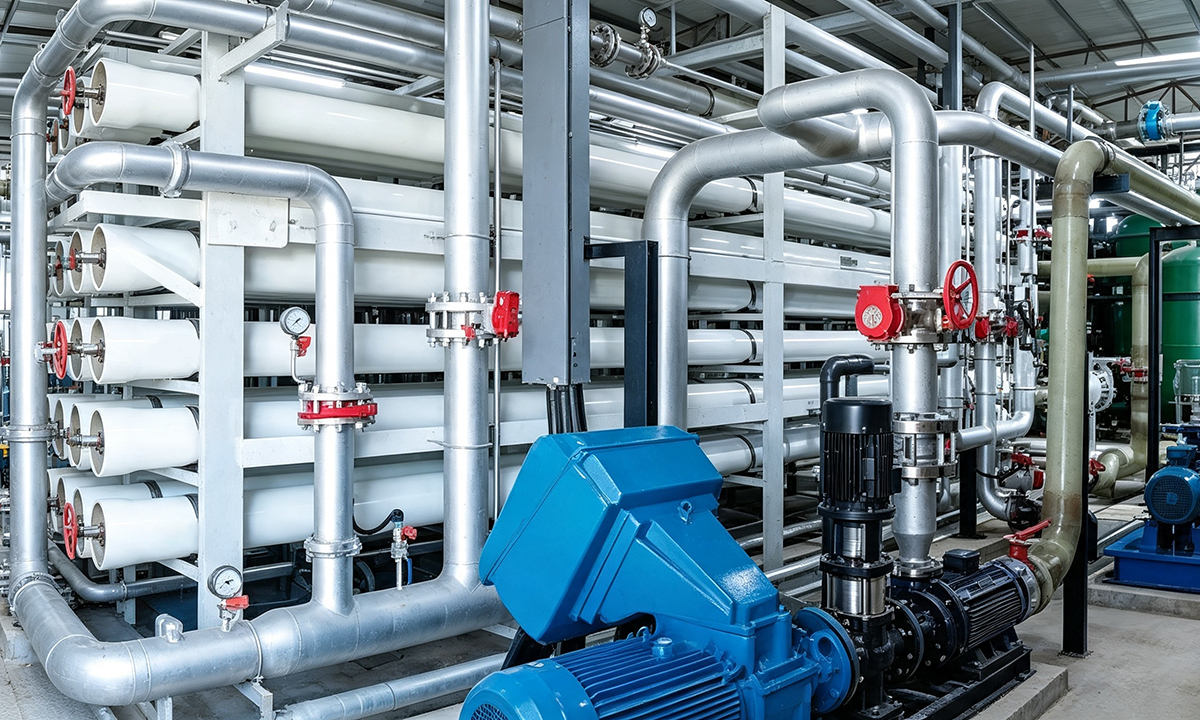
1. Seawater Desalination and Purification: Membrane Protection and Energy Optimization

Seawater desalination reverse osmosis membranes are extremely sensitive to feed water quality. Once suspended solids, algae, colloids, and microorganisms enter the membrane system, they can cause severe fouling within just a few hours. This condition leads to a significant drop in permeate output.

Inquire Now

2. Water Purification for Electronics and Semiconductors: The Ultimate Pursuit of Ultrapure Water

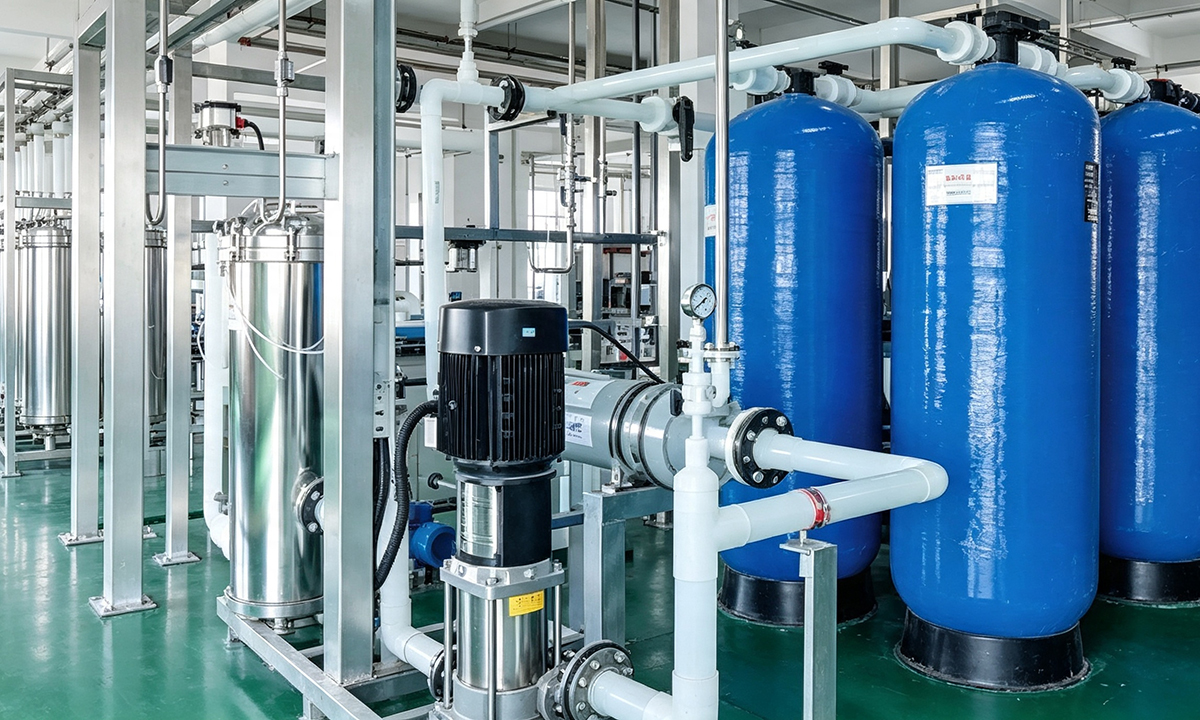
2. Water Purification for Electronics and Semiconductors: The Ultimate Pursuit of Ultrapure Water

The semiconductor manufacturing industry imposes the most stringent water quality requirements of any industrial sector. Ultrapure water comes into direct contact with wafers; therefore, even the slightest trace of impurities can cause short circuits, pattern defects, or yield loss. The production of advanced-node chips places extreme demands on ultrapure water quality.

Inquire Now

3. Coal Chemical Water Purification: The Key Challenge of Achieving Zero Liquid Discharge

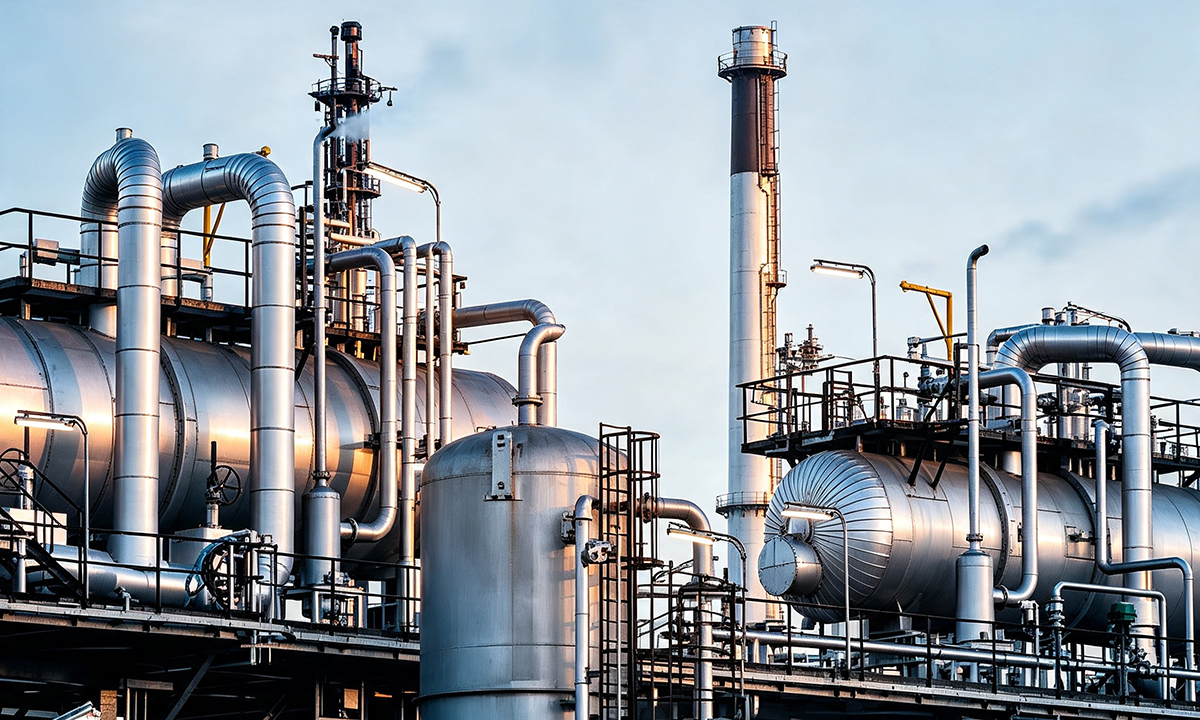
3. Coal Chemical Water Purification: The Key Challenge of Achieving Zero Liquid Discharge

Coal chemical projects are mostly located in western regions rich in coal but short of water. Their raw water is typically highly turbid, high-hardness, and high-salinity surface water or mine water. The water treatment equipment first treats the raw water through a combined process of "high-density sedimentation tank + ultrafiltration." The goal of this process is to reduce the feed water turbidity to below 1 NTU and remove most of the hardness, thereby eliminating scaling and fouling risks for the downstream reverse osmosis membrane system.

Inquire Now